Sign up for our newsletter to get 10% off for the week!

How to choose a sleeping bag for your little one

How to Choose a Sleeping Bag for Your Little One
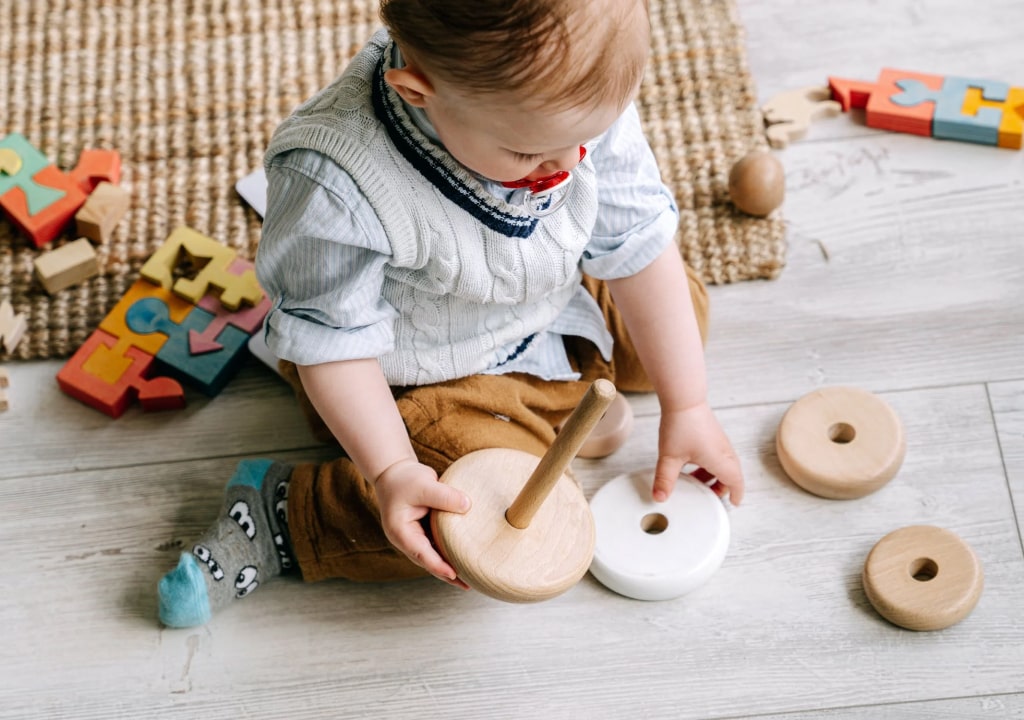
A baby sleeping bag is designed to help your little one sleep comfortably and safely throughout the night. Unlike loose blankets, a sleeping bag stays in place while your baby moves, helping maintain a cozy sleeping environment. Here are some important factors to consider when choosing the right sleeping bag for your child.
1. Choose the Right Size
Selecting the correct size is essential for both comfort and safety. A sleeping bag should fit snugly around the neck and arm openings while allowing enough room for your baby to kick and move their legs freely.
Always follow the manufacturer's recommended age, weight, and height guidelines when selecting a size.
2. Consider the Fabric Material
Since your baby will spend many hours sleeping in it, the fabric should be soft, breathable, and gentle on delicate skin.
Popular materials include:
- Cotton
- Organic cotton
- Bamboo fabric
- Tencel™
- Muslin cotton
Breathable fabrics help regulate body temperature and reduce the risk of overheating.
3. Match the Sleeping Bag to the Room Temperature
Different sleeping bags are designed for different temperatures. Choosing the right thickness helps keep your baby comfortable throughout the night.
- Lightweight sleeping bags are ideal for warm climates.
- Medium-weight sleeping bags work well in air-conditioned rooms.
- Warmer sleeping bags are suitable for cooler environments.
Always dress your baby appropriately underneath based on the room temperature.
4. Prioritize Safety Features
Look for sleeping bags with:
- Secure zippers and closures
- Covered zipper guards to protect delicate skin
- Properly fitted neck and arm openings
- No loose strings, ribbons, or detachable decorations
A well-designed sleeping bag should allow your baby to move comfortably without slipping inside.
5. Ensure Ease of Use
Night-time diaper changes can happen frequently, especially for younger babies. Features such as front zippers or two-way zippers make dressing and changing easier for parents while minimizing sleep disruptions.
6. Allow Freedom of Movement
Babies naturally move during sleep. A good sleeping bag should provide enough space for kicking, stretching, and rolling while still maintaining a secure fit.
Sleeping bags with roomy leg areas can support natural movement and healthy hip development.
7. Look for Easy-Care Fabrics
Choose a sleeping bag that is machine washable and durable enough to withstand frequent washing. High-quality materials will maintain their softness, shape, and performance over time.
Why Use a Baby Sleeping Bag?
A baby sleeping bag offers a practical alternative to loose blankets by providing consistent warmth throughout the night. It helps create a comfortable sleep environment while allowing your little one to move naturally during sleep.
By choosing the right size, fabric, and weight, you can help ensure your child stays cozy, comfortable, and ready for a restful night's sleep.